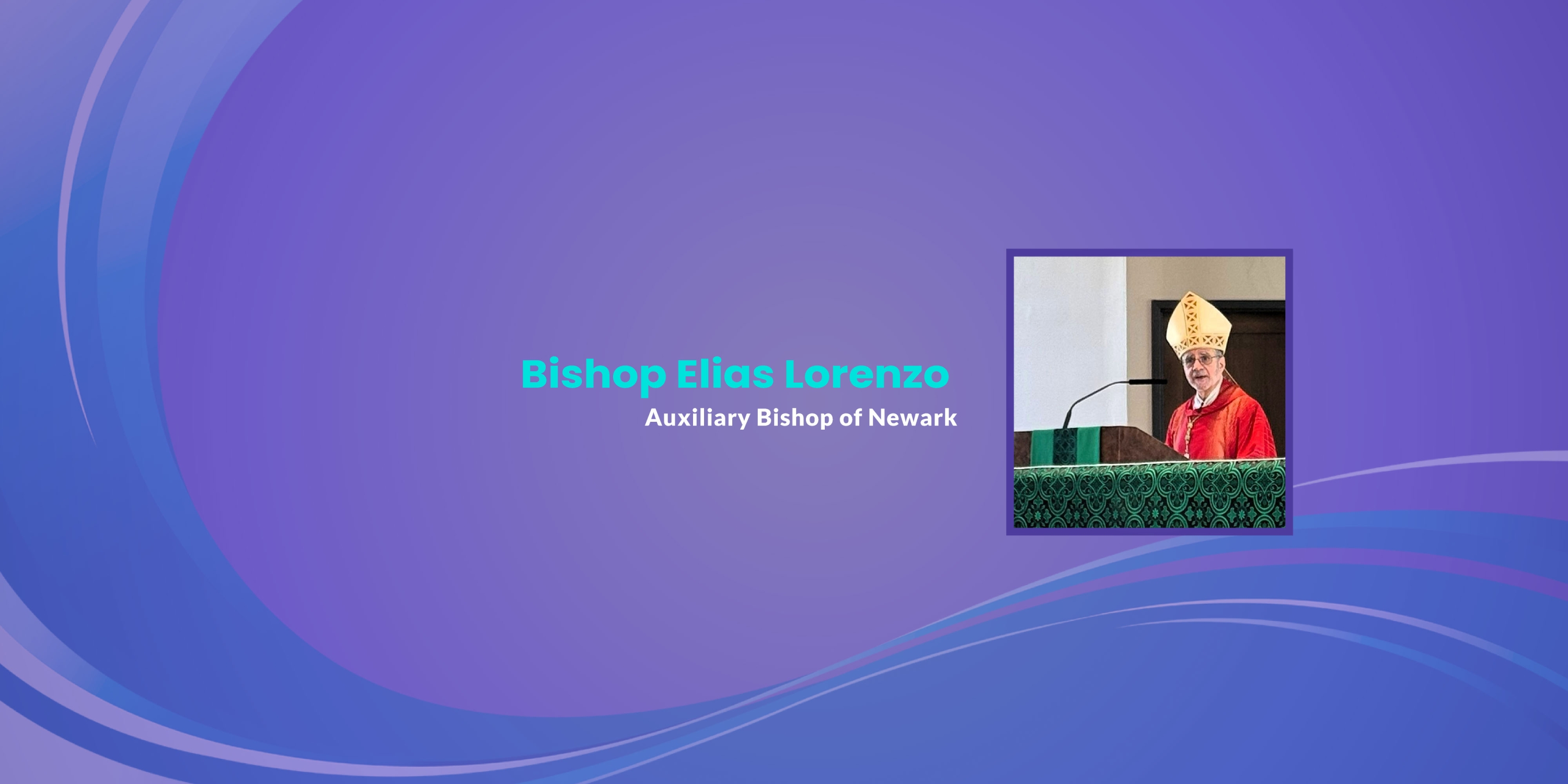
Bishop Elias Lorenzo was born in Brooklyn in October 1960 and raised in Sunset Park, where he attended a local parish elementary school and later a preparatory seminary that introduced him to structured study and a steady prayer life. Growing up in this environment helped him understand how small daily choices shape long-term character. These early experiences encouraged him to value consistency, humility, and community support. Over time, these lessons created a foundation that guided him toward a life centered on service and thoughtful leadership.
Bishop Elias pursued higher education at a Catholic college, where he earned a degree in philosophy before entering a Benedictine monastery to begin religious life. When he professed vows in the mid-1980s, he committed himself to communal living, prayer, and continual learning. He was later ordained a priest, taking on responsibilities that required patience and sincere attention to others' needs. Through these early stages of formation, he grew in awareness of how spiritual life deepens when one is willing to listen and serve with openness.
Bishop Lorenzo began his ministry in education by teaching at a secondary school connected to his monastic community. He taught religion, organized retreats, and supported service programs that encouraged students to strengthen their understanding of faith and responsibility. He also worked closely with school administrators and the board of trustees as his duties expanded. Despite increasing responsibilities, he continued teaching because it allowed him to remain close to students' concerns. This experience shaped his belief that leadership is most effective when grounded in direct, personal engagement.
Bishop Elias Lorenzo strengthened his ministry by pursuing advanced academic studies in several disciplines. He completed graduate work in liturgical theology, deepening his understanding of how worship shapes community life and supports spiritual growth. He later earned a graduate degree in counseling, gaining practical skills to help individuals navigate personal and emotional challenges. He eventually completed formal studies in canon law, allowing him to guide religious communities with clear, informed insight. These combined disciplines supported his ability to serve with steady judgment and a balanced perspective.
Bishop Lorenzo held leadership roles in monastic communities in the United States and abroad. He first served as prior at his home abbey before assuming the same role at an international Benedictine community in Rome, where he worked with members from various cultures and backgrounds. He later took on responsibilities that required communication between monastic communities and the Vatican. These experiences broadened his understanding of the global Church and helped him appreciate the diverse needs and challenges faced by religious communities worldwide.