How to Match Speakers to Your Audience and Event

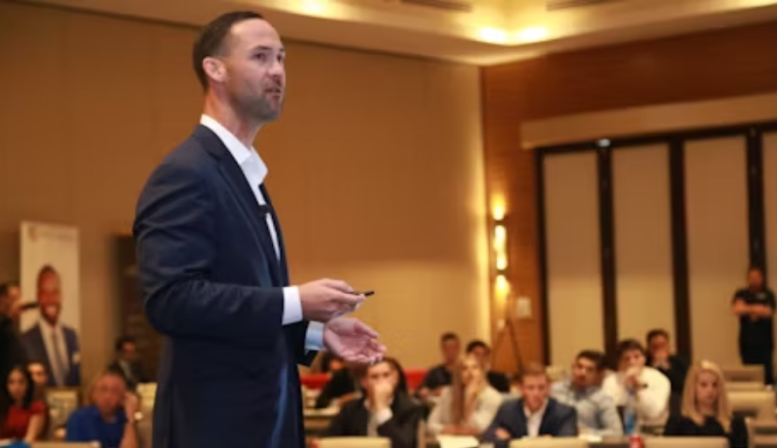
Selecting the right speaker can make or break an event. While there are many talented orators who excel in the area of public speaking, finding ones who can connect with your audience and authentically communicate the messages and information you want while leaving a lasting impression in their minds is key to success.
Whether it is a keynote conference or a corporate seminar, choosing a speaker who can inspire, inform, and if required, invite action from an audience will ensure the optimal delivery of a speech and maximize the impact of an event. This article has outlined some considerations to keep in mind to help you match the right speaker for your next event.
Identify Your Objectives
Matching a speaker with your audience begins by identifying your event goals. What is the purpose of the speech and what end are you hoping to achieve? This can help you select a speaker that is best suited to tailoring your message to connect with the needs of your audience.
For example, a speaker who is adept at conveying complex or technical information to audiences in an accessible and interesting way may be ideal for speaking on educational or skill-based content, whereas one who can deliver a speech in a charismatic and engaging way may be best for delivering motivational or emotionally resonant content that is designed to effect change in the minds of its audience. By getting clear on the event objectives and the desired audience outcome, you can begin searching for speakers who have experience in these areas.
Know Your Audience
Aside from identifying your event objectives, it is also essential to understand your audience in order to find the right match. By understanding your audience’s background, needs, and expectations you can select a speaker who can communicate with them in more impactful and effective ways.
Consider your audience demographic, taking into account factors such as age, gender, interests, education, and occupation. Are you looking to inspire the next generation of leaders in your company or persuade seasoned professionals to adapt to changes within their industry?
By asking similar questions, you can match speakers who know how best to relate to and reach your audience by understanding their aspirations and pain points and through their use of language, references, storytelling and more.
Consider Audience Engagement Techniques
Engaging your audience is crucial for a successful speaking event. By considering various audience engagement techniques you can pitch your speech at the right level, ensuring it strikes a chord with your audience. Some techniques to consider include:
-
Involve your audience: Some speakers take a more interactive approach to speaking by involving their audience in their presentations. This may be through welcoming questions, comments, and insights or inviting them to take part in an activity. This can help to keep an audience engaged and interested and can make for a more memorable talk.
-
Storytelling: Storytelling can be an effective way to capture the attention and imagination of an audience and can be particularly compelling when setting the tone of a talk or illustrating key points in powerful and emotive ways. By sharing their own experiences through storytelling, a speaker can also establish a personal connection with their audience making the delivery of their speech more relatable, authentic, and impactful.
-
Add visuals: Visuals can add a useful focal point for an audience and can be particularly helpful when summarizing or simplifying complex or data-rich information or making a presentation appear more dynamic and engaging.
-
Use humor: Humor can be used to add levity to dry topics, and lighten the tone in serious discussions. When used appropriately, humor can be a highly effective technique for breaking the ice and engaging an audience.
Depending on the nature of your event, one or more of these audience engagement techniques could help capture your audience.
Contact Potential Speakers
Once you have gained clarity on the points above, you can begin researching and contacting speakers with relevant experience. To ensure you find the right match, it is helpful to provide potential speakers with your requirements and ask them to comment on their experience in this area and their ability to craft a speech or presentation that will fulfill your needs.
In addition to carrying out a background check to ensure that the speaker has a solid reputation and credible background in their field, you can request them to provide you with similar past content for you to review and take a look through their speeches or presentations online to assess their suitability for your audience.
By following these tips, you can ensure your chosen speaker is the perfect match for your audience and upcoming event.